
Vietnamese Lucky Money: Essential Guide to Tet Tradition
Vietnamese lucky money - Lì Xì (phrase pronunciation: /lee see/) is a beloved Lunar New Year tradition where red envelopes filled with money bestow good fortune and blessings. This meaningful custom symbolizes prosperity and unity, embodying the heart of Tet celebrations as families gather to exchange these auspicious gifts.
What Is Vietnamese Lucky Money? A Complete Guide to Its Ancient Origins
Vietnamese lucky money, known as lì xì, is a cherished tradition during Tết, the Vietnamese Lunar New Year. It involves giving small amounts of money in red envelopes, symbolizing good luck, blessings, and well wishes for the new year. The practice is about more than money-it reflects hopes for health, prosperity, and happiness for the recipients.
The origins of Vietnamese lucky money date back centuries and are influenced by similar customs across Asia. The tradition likely stems from ancient beliefs about protecting loved ones from evil spirits. One popular legend tells of a spirit called tà ma, believed to frighten children on New Year’s Eve by touching their heads while they slept. To protect their children, parents would place coins wrapped in red paper under their pillow, warding off the spirit and ensuring a peaceful night. This protective gesture eventually evolved into the modern practice of giving lucky money in red envelopes.
Over time, lì xì has come to symbolize the exchange of blessings within families, especially from older to younger generations. The red envelope’s color—traditionally associated with luck and happiness in Vietnamese culture—represents good fortune and is an important part of the gesture. The money inside is typically modest, as the focus is on the act of giving and sharing positive energy, rather than the amount itself.

How Does Vietnamese Lucky Money Work? A Guide to Givers and Recipients
Who Should Give Vietnamese Lucky Money?
Traditionally, it is the elders - grandparents, parents, aunts, uncles, and older relatives—who give lucky money to children, teenagers, and young adults in the family. Married adults also give lucky money to younger siblings, cousins, or other children in the lineage. This gesture is a way of passing down good wishes for health, happiness, and success in the coming year.
In more recent years, it has also become common for grown children to give lì xì to their parents or grandparents as a sign of respect, gratitude, and care. This practice reflects the appreciation for elders and the desire to bring them good luck and blessings as well.
Who Can Receive Vietnamese Lucky Money?
In modern times, it has become common for younger adults to give lucky money to their elderly parents or grandparents as a sign of respect, gratitude, and care. This practice strengthens familial bonds and ensures that everyone, regardless of age, feels supported and appreciated during the holiday. In some families, even friends exchange lucky money as a way of extending New Year’s blessings beyond the immediate family circle.
Discover Related Guides: 12 Most Popular Vietnamese Dishes You Must Try in 2024: Local’s Guide
8 Do’s and Don’ts for Vietnamese Lucky Money
Do’s:
- Use new, clean bills: It’s traditional to give fresh bills in the lì xì envelope. New bills represent a fresh start for the new year, while old or wrinkled bills are seen as disrespectful.
- Prepare red envelopes in advance: Red envelopes, symbolizing luck and happiness, should be ready before Tết to avoid rushing or appearing unprepared.
- Give even amounts: In Vietnamese culture, even numbers are thought to bring good fortune. Giving amounts like 20,000 VND or 50,000 VND is common and considered lucky.
- Offer good wishes: When giving lucky money, people usually say kind words like “Chúc mừng năm mới” (Happy New Year) or “An khang thịnh vượng” (wishing health and prosperity). This adds sincerity to the gift.
Don’ts:
- Don’t give unlucky amounts: Avoid giving unlucky numbers, like an amount ending in “four,” because the word for “four” sounds like “death” in Vietnamese, which could be seen as bad luck.
- Don’t open the envelope immediately: It’s polite to wait until you’re alone to open lì xì. Opening it in front of the giver might seem rude or as if you’re only interested in the money inside.
- Don’t refuse lucky money: Refusing lì xì can seem like you’re rejecting the giver’s blessings. It’s more polite to accept it with thanks, even if it’s just a small amount.
- Don’t give overly large amounts: The purpose of lì xì is to give blessings, not to make people feel uncomfortable with a large amount. Modest sums are usually more meaningful and thoughtful.
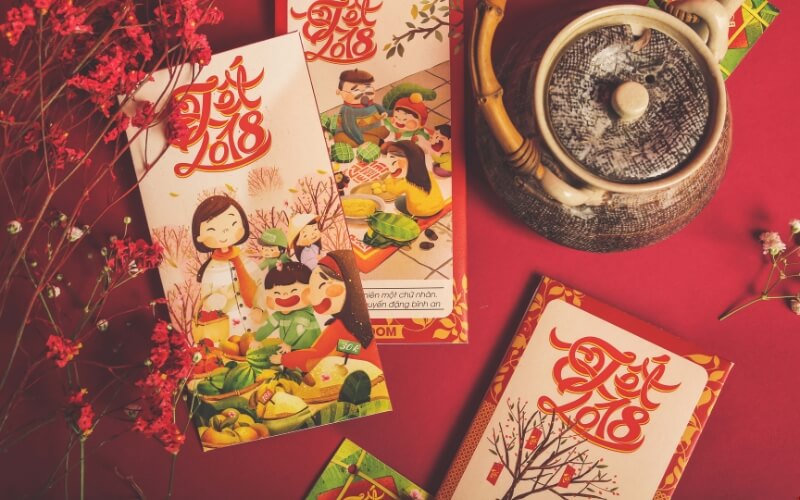
Why Is Vietnamese Lucky Money Important? The Cultural Significance During Tet Holiday
Vietnamese lucky money, or lì xì, is an essential part of Tết, the Vietnamese Lunar New Year. It goes beyond just giving money - it represents wishes for good fortune, happiness, health, and success in the coming year. The tradition plays a key role in bringing families together and strengthening bonds between generations.
For children, receiving lucky money is one of the highlights of Tết, as it brings excitement and a sense of celebration. For elders, it’s a chance to pass down blessings, good wishes, and family values to the younger generation. In this way, lì xì becomes a way of expressing love, care, and hope for the future.
This practice also carries deep cultural meaning. The red envelopes symbolize luck and prosperity, while the act of giving reminds people to start the new year with kindness, respect, and generosity. For many families, Tết wouldn’t feel complete without the exchange of lì xì, as it’s a cherished ritual that adds warmth and joy.
How Much Vietnamese Lucky Money Should You Give?
The amount given as Vietnamese lucky money, or lì xì, can vary based on the giver’s relationship with the recipient, their age, and the family’s financial situation. Generally, the amount isn’t meant to be large, as lì xì is more about conveying good luck and blessings than about the actual money itself.
For young children, amounts can range from VND 10,000 to VND 50,000 (approximately USD 0.50 to USD 2), while teenagers might receive a bit more, such as 50,000 to 200,000 VND (2 to 8 USD). Adults sometimes give higher amounts to their parents or grandparents as a gesture of respect and gratitude, but even then, it’s usually modest.
In Vietnamese culture, the focus is on the thought and goodwill behind the lì xì, rather than the monetary value. Small amounts are common and meaningful, as they emphasize family unity and well wishes for the new year, rather than material wealth.
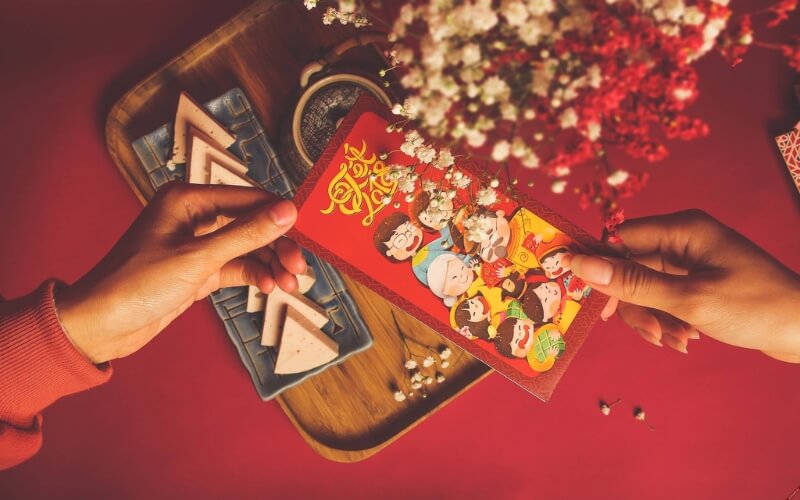
In essence, Vietnamese lucky money is much more than just a New Year’s gift - it’s a heartfelt tradition that connects families, preserves cultural values, and brings people together in joy and hope for the future. This simple yet powerful custom embodies the spirit of Tết, making the holiday a time of warmth, blessings, and shared dreams for the year ahead.
Link nội dung: https://mcbs.edu.vn/tet-money-a35140.html